


فوائد العسل: هل العسل صحي أكثر من السكر؟

نقاط رئيسية
- يحتوي العسل على مضادات الأكسدة ومركبات نباتية لا توجد في السكر المكرر.
- على الرغم من أن العسل يمكن أن يكون بديلاً طبيعيًا للسكر، إلا أنه يجب تناوله باعتدال.
- قد يوفر العسل طاقة سريعة، ويساعد في تهدئة التهاب الحلق، ويدعم راحة الجهاز الهضمي.
- العسل ليس غذاءً لإنقاص الوزن، ويمكن أن يؤثر على مستويات السكر في الدم، مما يجعل التحكم في الحصص الغذائية أمرًا مهمًا.
- يُقدر عسل المانوكا لمحتواه المعتمد من MGO، واختبار الجودة، وقابلية التتبع.
فوائد العسل: هل العسل صحي أكثر من السكر؟
لطالما استُخدم العسل كمُحلي طبيعي وعنصر أساسي في الممارسات الصحية التقليدية. سواء كان يُضاف إلى الشاي، أو يُرش على وجبة الإفطار، أو يُستمتع به بالملعقة، يظل المفضل في المنازل في جميع أنحاء الإمارات العربية المتحدة وقطر ومنطقة الخليج الأوسع.
في الوقت الحاضر، يحرص الناس على تناول السكر، مما يثير تساؤلًا: هل العسل مفيد حقًا لك، أم أنه مجرد شكل آخر من أشكال السكر؟
على الرغم من أن العسل يحتوي على السكر والسعرات الحرارية، إلا أنه يقدم أيضًا مضادات الأكسدة والمركبات النباتية التي لا توجد في السكر المكرر. عند تناوله باعتدال، يمكن أن يكون بديلاً طبيعيًا للمحليات المصنعة.
في هذا المقال، سنستكشف الفوائد الصحية للعسل، ودوره في إدارة الوزن، وما يجب أن يعرفه مرضى السكري، ولماذا يبرز عسل المانوكا عن الأصناف الأخرى.
العسل مقابل السكر: ما الفرق؟
قد يخدم العسل وسكر المائدة نفس الغرض، لكن تركيبتهما وخصائصهما الغذائية تختلف.
يحتوي العسل على:
- سكريات طبيعية (فركتوز وجلوكوز)
- مضادات الأكسدة
- إنزيمات
- أحماض أمينية
- مركبات نباتية ضئيلة
مقارنة بالسكر المكرر، العسل أقل معالجة ويحتوي على كميات صغيرة من مضادات الأكسدة والإنزيمات ومركبات أخرى.
| العسل | السكر المكرر |
|---|---|
| يحتوي على مضادات الأكسدة | لا يحتوي على مضادات الأكسدة |
| أقل معالجة | معالج بدرجة عالية |
| مصدر طبيعي | مصدر مكرر |
| نكهة غنية | حلاوة بسيطة |
على الرغم من أنه لا يزال يجب تناول العسل بحذر، إلا أن العديد من الناس يفضلونه كبديل طبيعي أكثر للسكر المكرر.
أهم الفوائد الصحية للعسل
غالبًا ما يستخدم العسل لأكثر من مجرد التحلية، حيث يضيفه العديد من الناس إلى نظامهم الغذائي لاستخداماته التقليدية والعملية. وتعد مرونته أحد الأسباب التي تجعله لا يزال يُستخدم في المنازل حول العالم.
1. يوفر مصدرًا سريعًا للطاقة
يعتبر العسل مصدرًا سريعًا للطاقة لأنه يحتوي على كربوهيدرات سهلة الهضم. ولهذا السبب غالبًا ما يتناول العدائون وراكبو الدراجات وغيرهم من الرياضيين العسل قبل أو أثناء النشاط البدني.
2. قد يساعد في تهدئة السعال والتهاب الحلق
من الفوائد الأخرى المعترف بها على نطاق واسع للعسل قدرته على توفير الراحة أثناء التهاب الحلق أو السعال. يساعد قوامه الناعم على تغليف الحلق، مما يجعله إضافة شائعة للماء الدافئ وشاي الأعشاب.
3. غني بمضادات الأكسدة
يحتوي العسل على مضادات الأكسدة الطبيعية التي تساعد على حماية الخلايا من الإجهاد التأكسدي. تساعد هذه المركبات على حماية الخلايا من الإجهاد التأكسدي وهي إحدى السمات التي تميز العسل عن السكر المكرر.
4. يدعم صحة الجهاز الهضمي
استُخدم العسل تقليديًا لدعم راحة الجهاز الهضمي. وتُفضل بعض الأنواع، بما في ذلك عسل المانوكا، من قبل الأشخاص الذين يبحثون عن دعم راحة الجهاز الهضمي.
5. قد يدعم صحة المناعة
تساهم مضادات الأكسدة والمركبات النشطة بيولوجيًا الموجودة في العسل في الصحة العامة وتساعد على دعم أنظمة الدفاع الطبيعية في الجسم.
6. بديل طبيعي للسكر المكرر
بالنسبة للأشخاص الذين يتطلعون إلى تقليل تناول المحليات عالية المعالجة، يمكن أن يكون العسل بديلاً متعدد الاستخدامات. يمكن إضافته إلى الشاي، القهوة، الشوفان، الزبادي، والعصائر مع توفير نكهة أغنى من السكر العادي.
هل يمكن أن يساعد العسل في إنقاص الوزن؟
يبدأ العديد من الناس يومهم بالعسل والماء الدافئ على أمل دعم إدارة الوزن. بينما يمكن أن يكون العسل جزءًا من نظام غذائي صحي، من المهم فهم ما يمكنه وما لا يمكنه فعله عندما يتعلق الأمر بإنقاص الوزن.
الحقيقة حول العسل وإنقاص الوزن
أولاً وقبل كل شيء، العسل ليس غذاءً حارقًا للدهون، ولم يثبت أي بحث أنه وحده يمكن أن يؤدي إلى فقدان الوزن. ومع ذلك، قد يدعم عادات الأكل الصحية عند استخدامه بدلاً من السكر المكرر كجزء من نمط حياة متوازن.
العسل مقابل السكر لإدارة الوزن
مقارنة بالسكر المكرر العادي، يتميز العسل بنكهة أغنى، لذا فإن كمية صغيرة تكفي لتحلية الأطعمة والمشروبات. بالنسبة لبعض الناس، هذا يجعله بديلاً عمليًا لتقليل السكر المكرر.
العسل مع الماء الدافئ والليمون
يُعد العسل الممزوج بالماء الدافئ أو ماء الليمون مشروبًا صحيًا شائعًا في جميع أنحاء منطقة الخليج. على الرغم من أنه قد يشجع على الترطيب ويساعد على استبدال المشروبات السكرية، إلا أنه لا ينبغي اعتباره حلاً لإنقاص الوزن بمفرده.
نصائح لاستخدام العسل في نظام غذائي يراعي الوزن
- استخدم العسل كبديل للسكر المكرر بدلاً من إضافته فوق كمية السكر المعتادة.
- قم بقياس الحصص بدلاً من السكب بحرية.
- أضفه إلى الأطعمة الغنية بالمغذيات مثل الشوفان أو الزبادي أو شاي الأعشاب.
- أقرنه بنظام غذائي متوازن بشكل عام ونشاط بدني منتظم.
يمكن أن يكون العسل بديلاً طبيعيًا أكثر للسكر المكرر، ولكنه ليس اختصارًا لإنقاص الوزن. تأتي النتائج المستدامة من عادات الأكل الصحية، والتمارين الرياضية المنتظمة، والنوم الجيد، والاستمرارية على المدى الطويل.
هل العسل مفيد لمرضى السكري؟
نظرًا لأن العسل غالبًا ما يُنظر إليه على أنه مُحلي طبيعي، يتساءل العديد من مرضى السكري ما إذا كان بديلاً مناسبًا للسكر. على الرغم من أن العسل يحتوي على مركبات مفيدة، إلا أنه لا يزال يؤثر على مستويات الجلوكوز في الدم ويجب تناوله بحذر.
هل يرفع العسل سكر الدم؟
نعم. يحتوي العسل على سكريات طبيعية يمكن أن تزيد من مستويات الجلوكوز في الدم. على الرغم من أنه قد يكون له تأثير جلايسيمي أقل قليلاً من السكر المكرر، يجب على مرضى السكري تناوله باعتدال ومراقبة مستويات السكر في الدم وفقًا لذلك.
هل يمكن لمرضى السكري تناول العسل؟
قد يتمكن بعض مرضى السكري من تضمين كميات صغيرة من العسل كجزء من نظام غذائي متوازن. ومع ذلك، يجب معاملة العسل مثل أي مصدر آخر للكربوهيدرات وأخذه في الاعتبار عند تخطيط الوجبات اليومية.
هل الطبيعي يعني مناسب لمرضى السكري؟
ليس بالضرورة. من المفاهيم الخاطئة الشائعة أن المحليات الطبيعية هي دائمًا صحية لمرضى السكري. بينما العسل أقل معالجة من السكر المكرر، إلا أن الجسم لا يزال يفككه إلى سكريات يمكن أن تؤثر على مستويات الجلوكوز في الدم.
اعتبارات مهمة لمرضى السكري
إذا كنت مصابًا بالسكري:
- راقب مستويات الجلوكوز في الدم بانتظام.
- مارس التحكم في الحصص.
- أدرج العسل كجزء من إجمالي كمية الكربوهيدرات التي تتناولها.
- اختر عسلًا عالي الجودة من مصادر موثوقة.
- استشر مقدم الرعاية الصحية الخاص بك قبل إجراء تغييرات غذائية كبيرة.
لاحظ أن العسل ليس خاليًا من السكر. عند تناوله بحذر واعتدال، قد يتناسب مع بعض خطط وجبات مرضى السكري، ولكن الاحتياجات الفردية والاستجابات يمكن أن تختلف.
لماذا يختلف عسل المانوكا؟
ليس كل العسل متشابهًا. من بين الأنواع الواسعة المتوفرة اليوم، حظي عسل المانوكا باعتراف عالمي لتركيبته الفريدة ومعايير الجودة المعتمدة. ينتجه النحل الذي يجمع الرحيق من شجيرة المانوكا، وهي شجيرة موطنها نيوزيلندا.
ما يميز عسل المانوكا هو الميثيل جليوكسال (MGO)، وهو مركب طبيعي يُستخدم كمؤشر رئيسي للجودة. يتم قياس مستويات MGO واعتمادها، مما يساعد المستهلكين على تحديد منتجات عسل المانوكا الأصلية.
بشكل عام، تشير تقييمات MGO الأعلى إلى تركيزات أعلى من هذا المركب. لهذا السبب، يُستخدم اعتماد MGO على نطاق واسع للتحقق من جودة وأصالة عسل المانوكا.
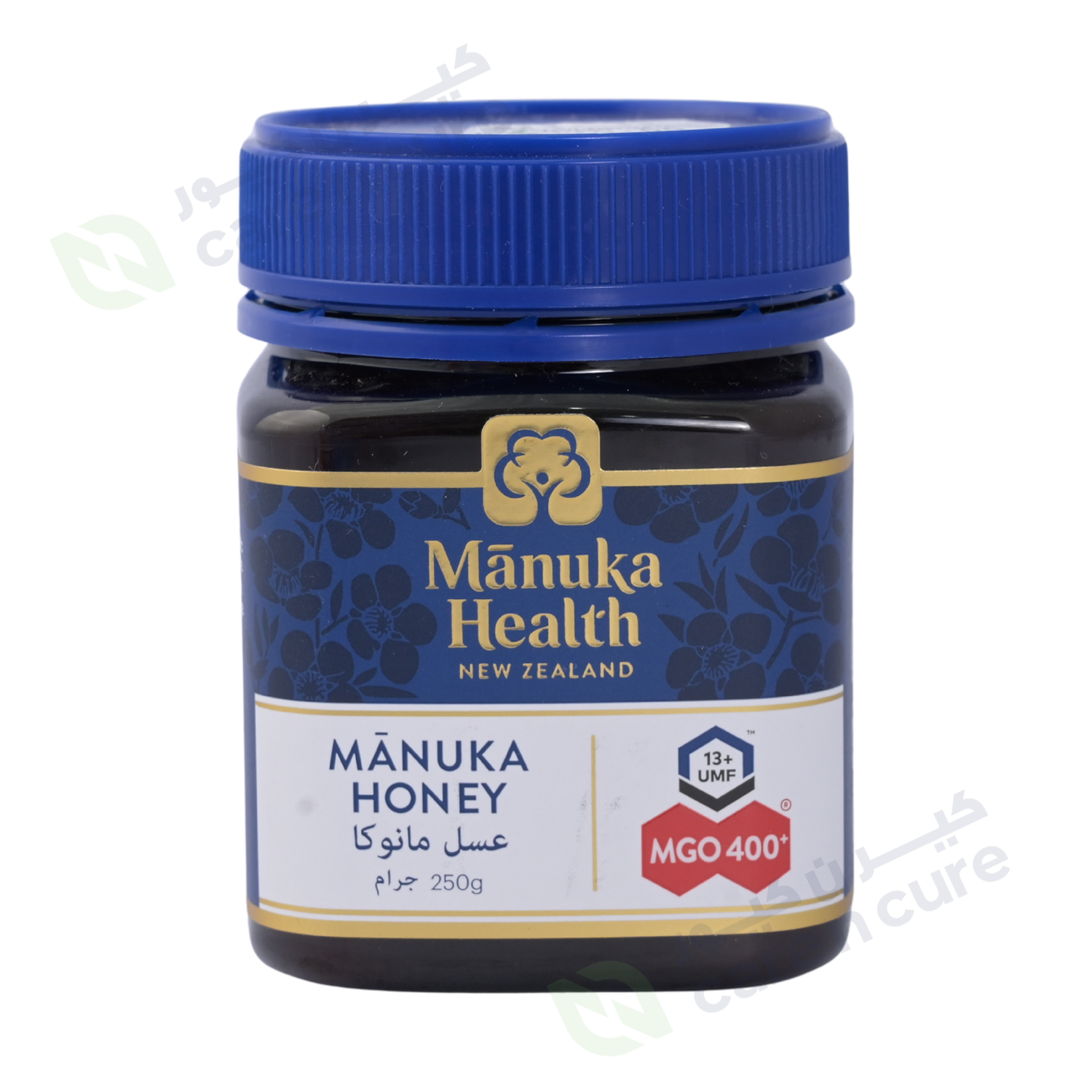
عسل المانوكا MGO 400+
- عسل مانوكا معتمد بـ MGO 400+ مصدره نيوزيلندا
- يحتوي على 400 ملجم/كجم على الأقل من الميثيل جليوكسال (MGO) الطبيعي
- يدعم الصحة العامة وروتين العافية اليومي
- غني بمركبات مضادات الأكسدة الطبيعية
- قابلية تتبع كاملة واختبار جودة للمصداقية
- مناسب للاستهلاك المباشر أو كجزء من روتينك اليومي
العسل العادي مقابل عسل المانوكا MGO 400+
| الميزة | العسل العادي | عسل المانوكا MGO 400+ |
|---|---|---|
| المصدر | يختلف حسب المصدر الزهري والجغرافي | يُنتج من شجيرة المانوكا في نيوزيلندا |
| التحقق من الجودة | تختلف الجودة حسب المصدر | مُختبر ومعتمد لمحتوى MGO |
| تقييم MGO | لا ينطبق | معتمد بـ MGO 400+ |
| قابلية التتبع | تختلف حسب المصنع | قابلية تتبع كاملة من مربي النحل إلى الرف |
| المركبات الطبيعية | يحتوي على مضادات الأكسدة والمركبات النباتية | يحتوي على MGO ومضادات الأكسدة ومركبات حيوية أخرى طبيعية |
| ثبات الجودة | يمكن أن يختلف بين الدفعات | مُختبر الجودة ومعتمد |
كيف تختار العسل عالي الجودة
ليست كل منتجات العسل متساوية. فقد زادت المخاوف بشأن العسل المخفف أو المغشوش في جميع أنحاء العالم، مما يجعل الجودة اعتبارًا مهمًا عند التسوق لشراء العسل.
استخدم هذه القائمة لمساعدتك في اختيار منتج عالي الجودة:
- تحقق من ملصقات المكونات بعناية
- تجنب المنتجات التي تحتوي على شراب أو سكريات مضافة
- ابحث عن شهادات الأصالة
- تحقق من بلد المنشأ
- اشترِ من تجار التجزئة الموثوق بهم
- اختر المنتجات ذات معلومات المصدر والتتبع الواضحة
- تحقق من MGO، أو UMF (عامل مانوكا الفريد)، أو غيرها من تقييمات الجودة المعترف بها عند شراء عسل المانوكا
- احذر من المنتجات التي تقدم ادعاءات صحية مبالغ فيها
بالنسبة للأنواع الممتازة مثل عسل المانوكا، يمكن أن تساعد الشهادات وقابلية التتبع في ضمان حصولك على منتج أصيل يلبي معايير الجودة المحددة.
الخلاصة
لقد استُمتع بالعسل لأجيال، ليس فقط لحلاوته ولكن أيضًا للعديد من الطرق التي يمكن استخدامه بها في الحياة اليومية. سواء كنت تضيفه إلى الشاي، أو تستخدمه كبديل للسكر المكرر، أو تستمتع به بالملعقة، يظل العسل خيارًا شائعًا في المنازل حول العالم.
إذا كنت مهتمًا بعسل المانوكا، فإن عسل المانوكا MGO 400+ يقدم جودة معتمدة، وقابلية تتبع كاملة، ومصدرًا نيوزيلنديًا أصيلاً. عند الاستمتاع به باعتدال كجزء من نظام غذائي صحي، يمكن أن يكون العسل إضافة بسيطة ومتعددة الاستخدامات لروتينك اليومي.
الأسئلة المتكررة
هل العسل صحي أكثر من السكر؟
يحتوي العسل على مضادات الأكسدة ومركبات طبيعية يفتقر إليها السكر المكرر، ولكن يجب تناول كلاهما باعتدال.
هل يمكن لمرضى السكري تناول العسل؟
يمكن لبعض مرضى السكري تضمين العسل في نظامهم الغذائي، ولكن التحكم في الحصص ومراقبة سكر الدم يظلان مهمين.
هل يساعد العسل في علاج الحساسية؟
يعتقد بعض الناس أن العسل المحلي قد يساعد في علاج الحساسية الموسمية، ولكن الأدلة العلمية لا تزال محدودة، وتختلف النتائج بين الأفراد.
هل يمكن للعسل أن يفسد؟
يتمتع العسل النقي بعمر افتراضي طويل بشكل استثنائي عند تخزينه بشكل صحيح. التبلور طبيعي ولا يعني أن العسل قد فسد.
ماذا يعني MGO 400؟
يشير MGO 400 إلى أن عسل المانوكا يحتوي على 400 ملجم/كجم على الأقل من الميثيل جليوكسال، وهو مركب طبيعي يستخدم لقياس جودة عسل المانوكا.
هل العسل الخام أفضل من العسل العادي؟
يخضع العسل الخام لأقل قدر من المعالجة وقد يحتفظ بمزيد من المركبات الطبيعية. يعتمد أفضل خيار على التفضيل الشخصي والاستخدام المقصود.
كمية العسل الزائدة في اليوم؟
يجب تناول العسل باعتدال، تمامًا مثل المحليات الأخرى. بينما تختلف الاحتياجات الفردية، من الأفضل اعتباره جزءًا من إجمالي تناولك اليومي للسكر بدلاً من طعام يُستهلك بلا حدود.
هل يمكن للرضع والأطفال الصغار تناول العسل؟
لا ينبغي إعطاء العسل للرضع الذين تقل أعمارهم عن 12 شهرًا بسبب خطر الإصابة بالتسمم الوشيقي للرضع. بالنسبة للأطفال، يمكن إدخال العسل بشكل عام بعد عمر سنة واحدة كجزء من نظام غذائي متوازن.

اترك تعليقا